Our Commitment to Sustainability 2025
We don’t just talk about sustainability—we take action. Here’s a concise summary of the highlights from our 2025 initiatives, ranging from species conservation to food rescue, social engagement, and animal welfare. You can find more information and the download link below.
1. Employees
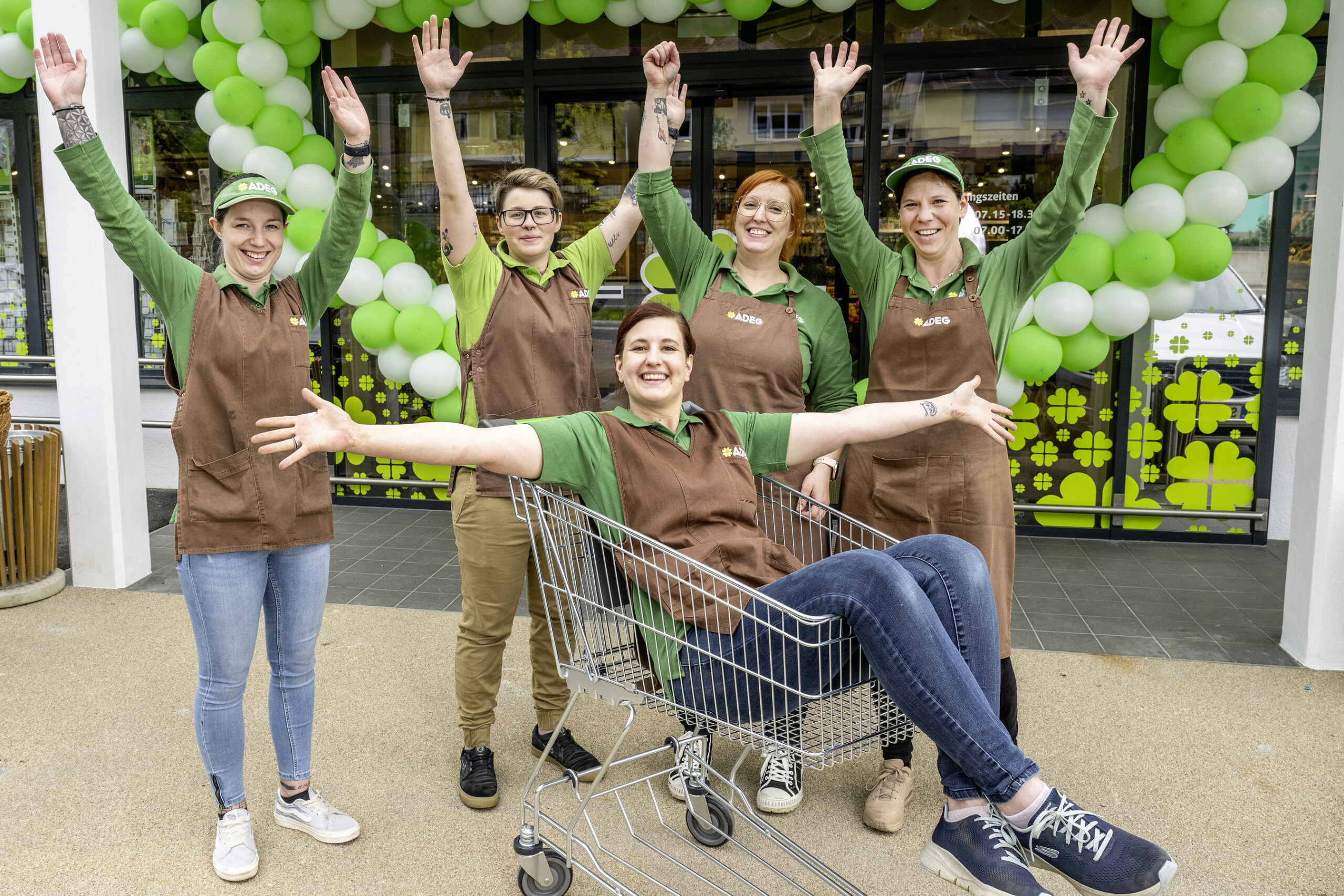
With approximately 45,000 employees and 2,300 apprentices in Austria, the REWE GROUP stands for diversity, equal opportunity, and inclusion. About 70 percent of employees are women, and roughly one in three independently operated ADEG stores is managed by a woman. In 2025, BIPA focused on women’s health, among other issues, and used its “To Be Honest” campaign to shed light on taboos surrounding the topic. REWE is also committed to inclusion. BILLA employs more than 900 employees with disabilities in Austria and was recognized in 2025 for its commitment to inclusion.
2. Climate Protection
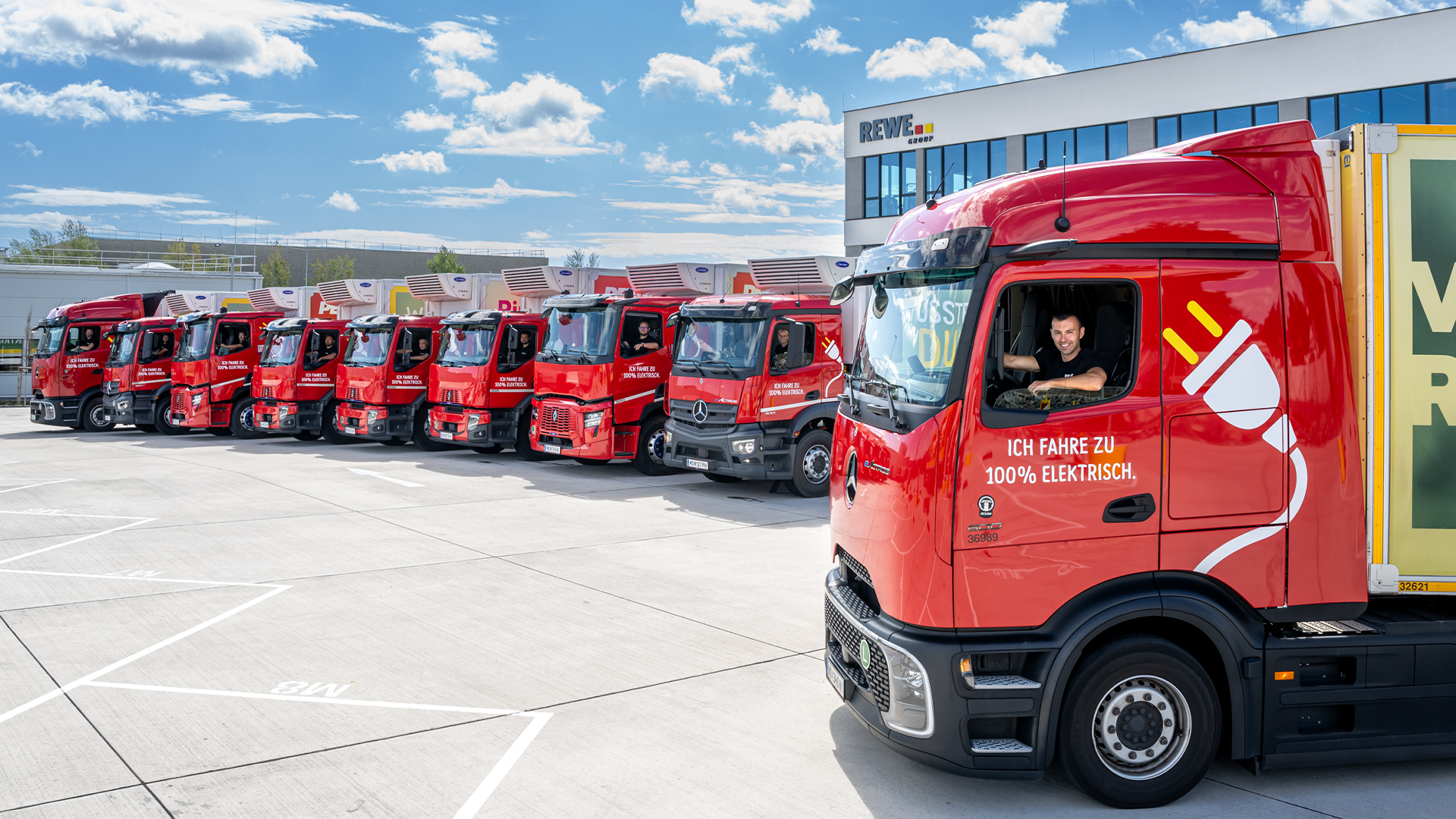
Through partnerships and targeted initiatives, the REWE GROUP actively contributes to climate protection and is committed to achieving net-zero emissions by 2050. By the end of 2025, 420 solar power systems had been installed at stores and central locations—collectively, their annual output could meet the electricity needs of approximately 14,000 households in Austria. The topic of e-mobility continues to gain momentum: In 2025, 613 charging stations were available to customers at the stores. As of 2025, the first four electric trucks were in operation for store deliveries, with another five set to follow in 2026.
3. Food Rescue
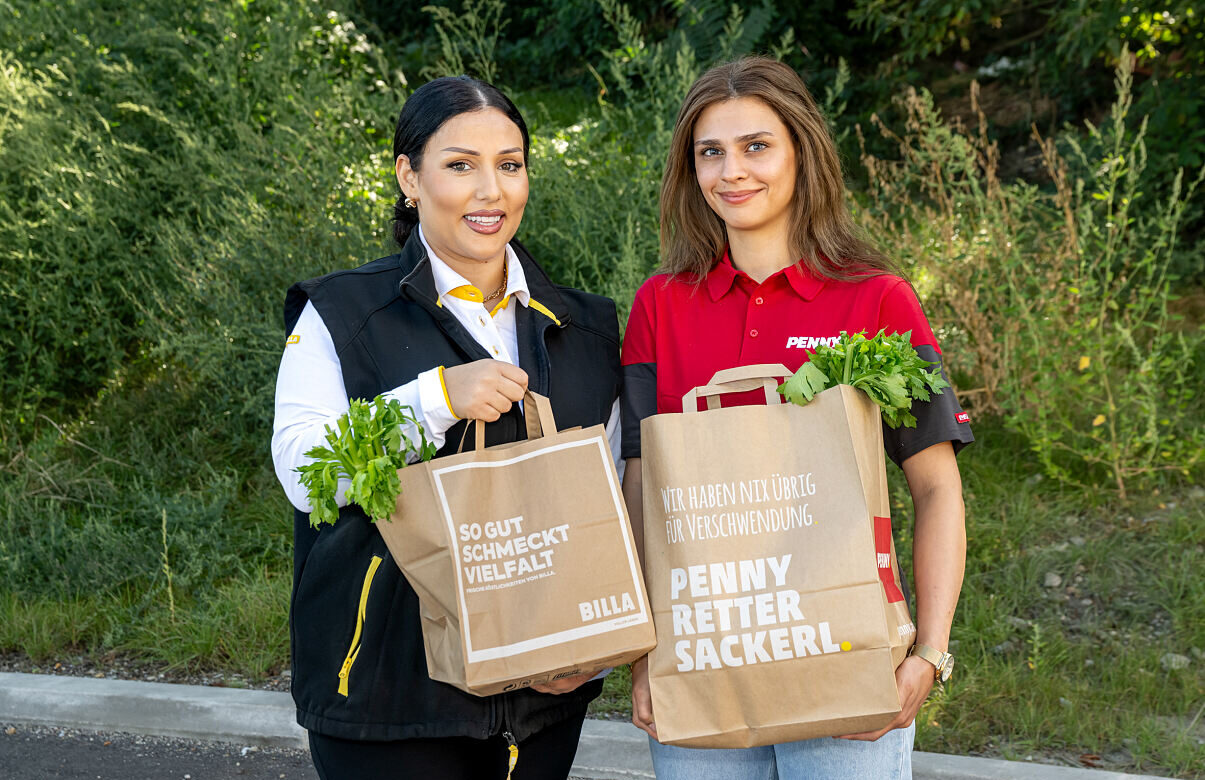
Food rescue is a top priority at REWE GROUP Austria—as evidenced by numerous initiatives from our retail companies. In 2025 alone, a total of more than 25 million meal equivalents were donated to social organizations. Under the private label Wunderlinge, fruits and vegetables that are too short, too small, or too misshapen are given a second chance, while fruits and vegetables with minor cosmetic flaws end up in the “Rettersackerl” (rescue bag). Based on the idea of “use everything, waste nothing,” Ja! Natürlich launched “Soup Funds” in 2025, demonstrating that using leftovers and enjoying food go hand in hand.
4. Organic and Local
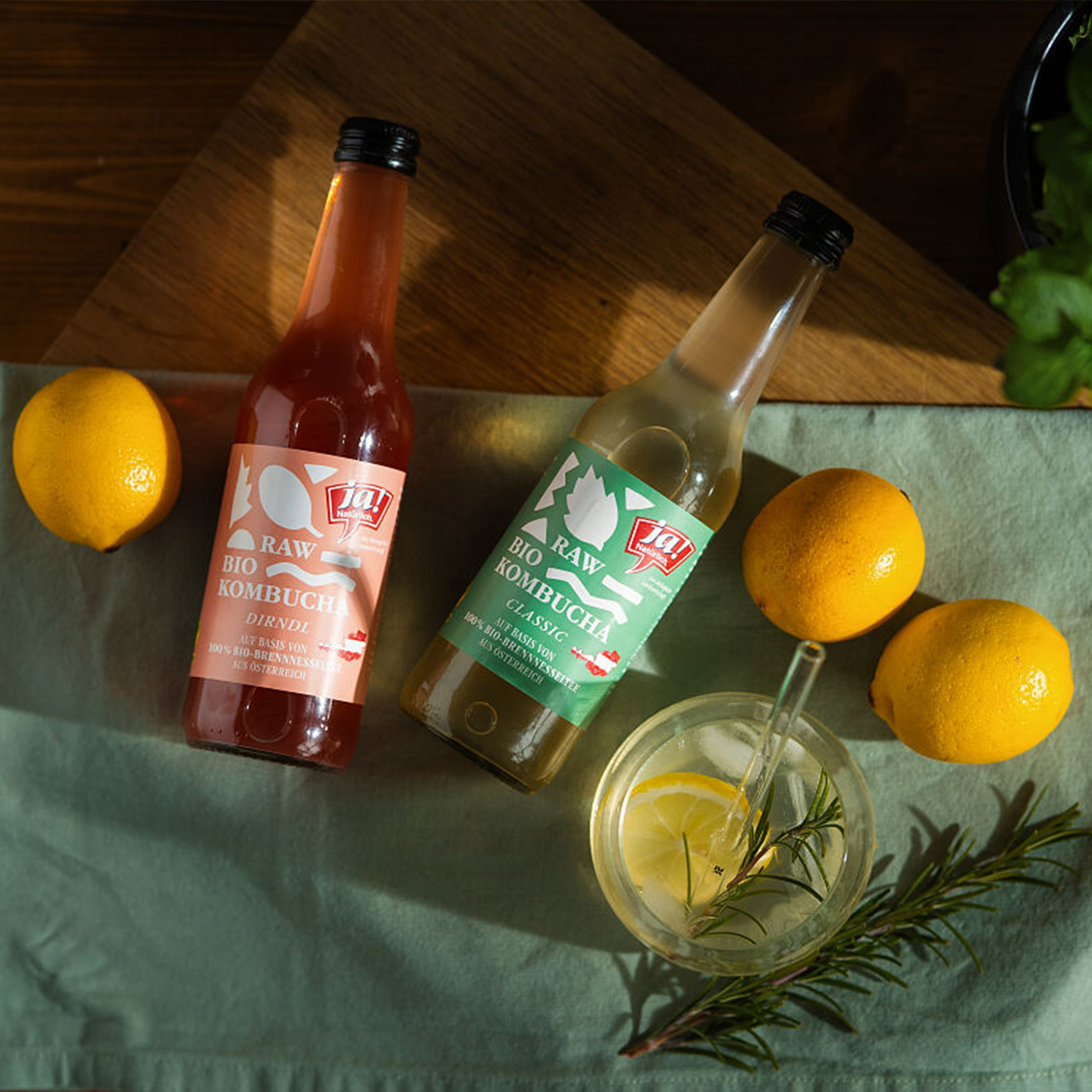
For more than 30 years, Ja! Natürlich has set high organic standards in the Austrian food retail sector. The private label exceeds legal organic requirements in many areas—and all products are 100% palm oil-free. Since 2021, the product range has been complemented by BILLA’s private label, BILLA Bio, which offers trendy products for a health-conscious diet. BIPA also focuses on organic and regional products—80 percent of bi good products are manufactured in Austria. The discount chain PENNY deliberately avoids “air-freighted fruit”—that is, exotic fruit imported by plane. In 2025, the “Association of Purchasing Cooperatives” (ADEG) celebrated its 130th anniversary.
5. Animal Welfare
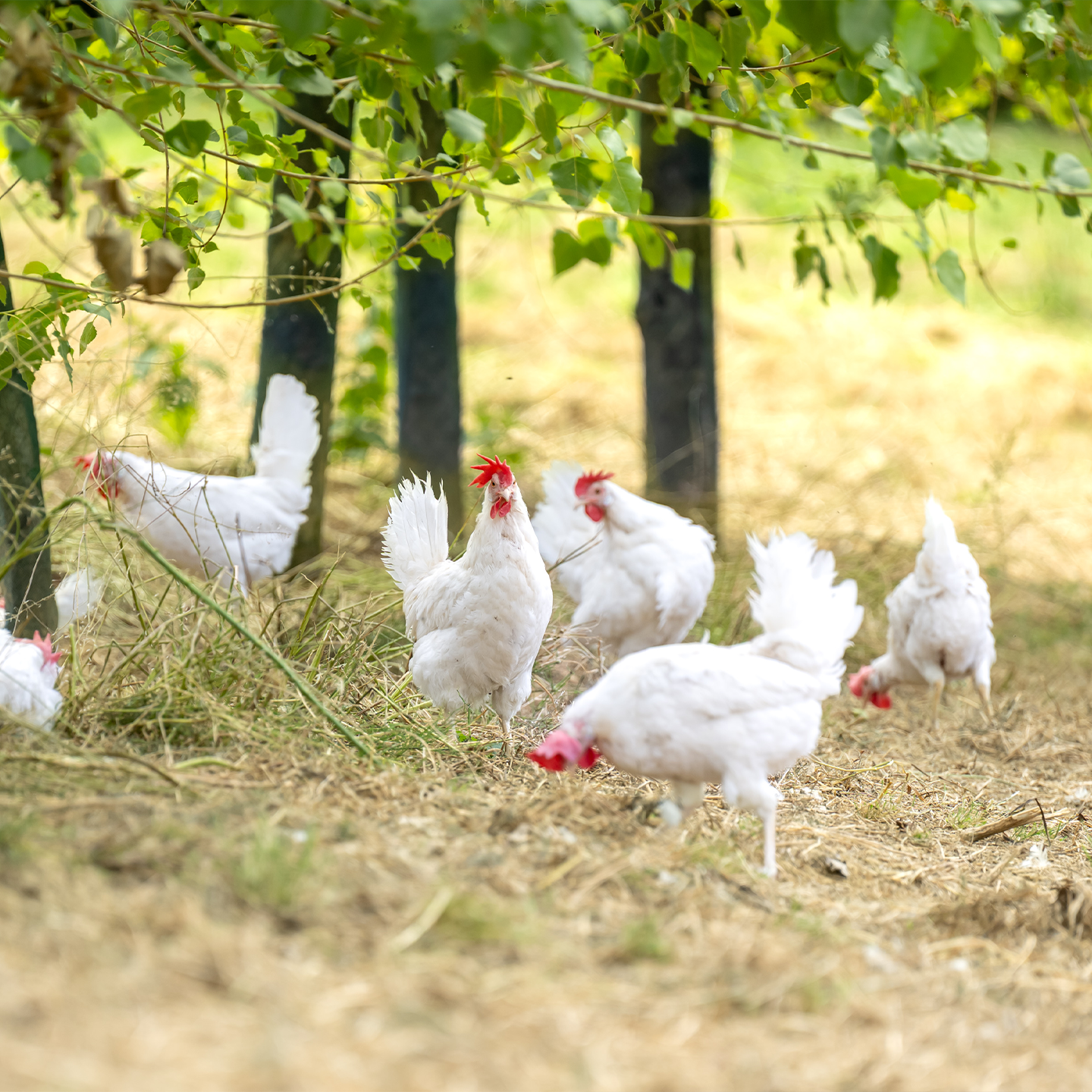
Whether beef, veal, pork, chicken, turkey, duck, goose, game, or lamb—since 2020, BILLA has been the only food retailer in Austria to offer exclusively fresh meat that is 100% sourced from Austria. Animal welfare is no longer a niche at BILLA and will account for more than 50 percent of the fresh meat segment by 2025. The organic private label Ja! Natürlich sets standards that exceed EU organic regulations—such as a strict ban on tethering and constant free-range access. Ja! Natürlich young cattle and dairy cows have year-round, round-the-clock access to a fenced-in outdoor area directly connected to the barn.

6. Plant-based
BILLA is a founding member of the Association for Protein Diversity in Austria, established in 2024, and advocates for fair legal and supportive policy frameworks. For more than 20 years, the all-plant-based private label Vegavita has been on the market, marking another milestone in 2025. All products are free of added preservatives, flavor enhancers, artificial flavors, palm oil, and hydrogenated fats—as guaranteed by the “Vegavita Free From” promise. Among the highlights of 2025 was Fabeljau, the innovative mycoprotein-based fish substitute.
7. Conservation of Resources
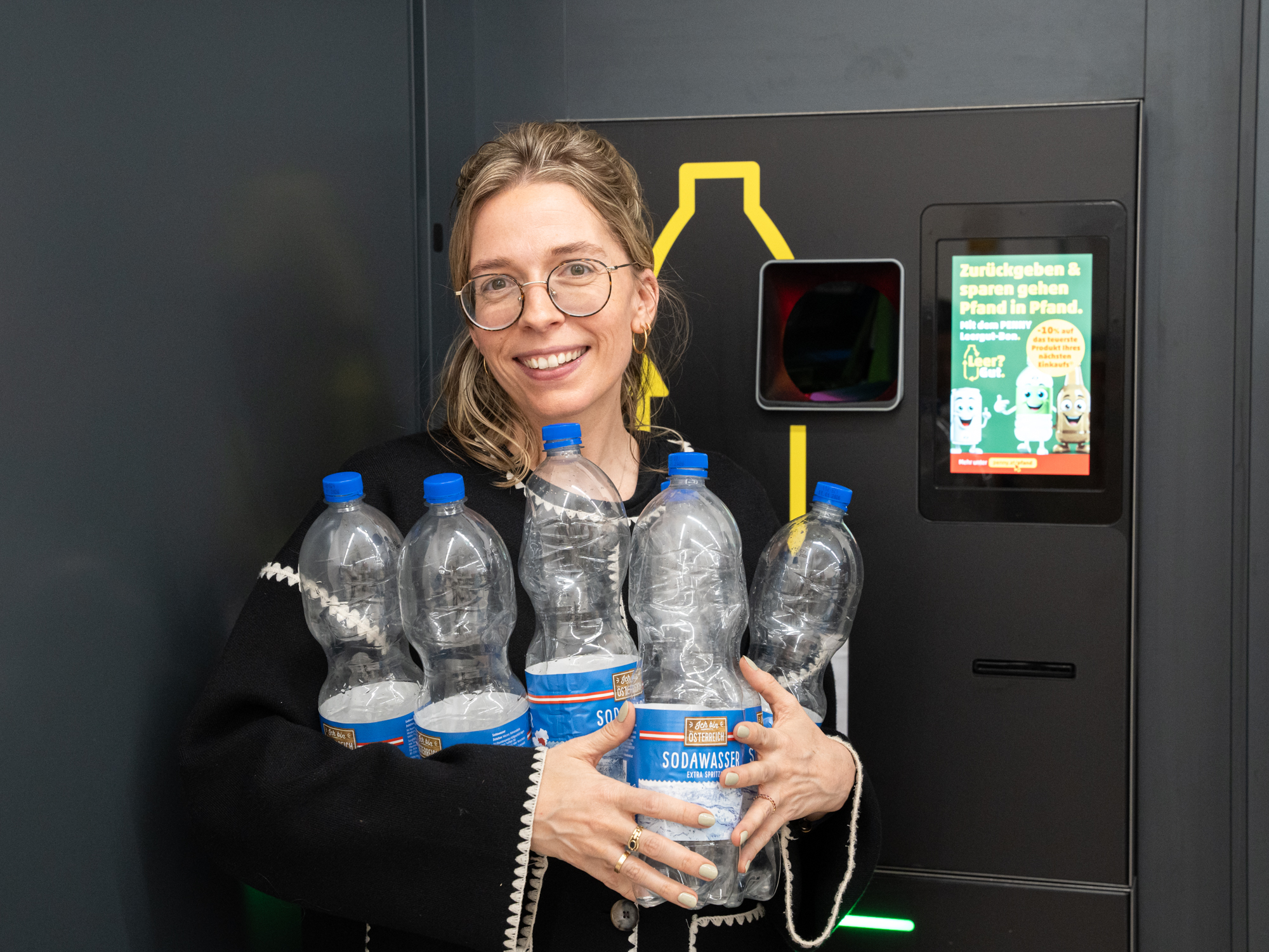
In early 2025, the launch of the single-use deposit system also brought the recycling of single-use returnable bottles and cans into sharper focus at the REWE GROUP in Austria. As a result, PENNY became the first discount retailer in Austria to introduce a digital deposit collection card to create an additional incentive for recycling. Recycling is also a top priority at BIPA and for the packaging of its private-label brand bi good: tubes without caps are made of 60% recycled PET, folding cartons of over 90%, and bottles of as much as 100% (excluding caps and labels).
8. Nature and Species Conservation
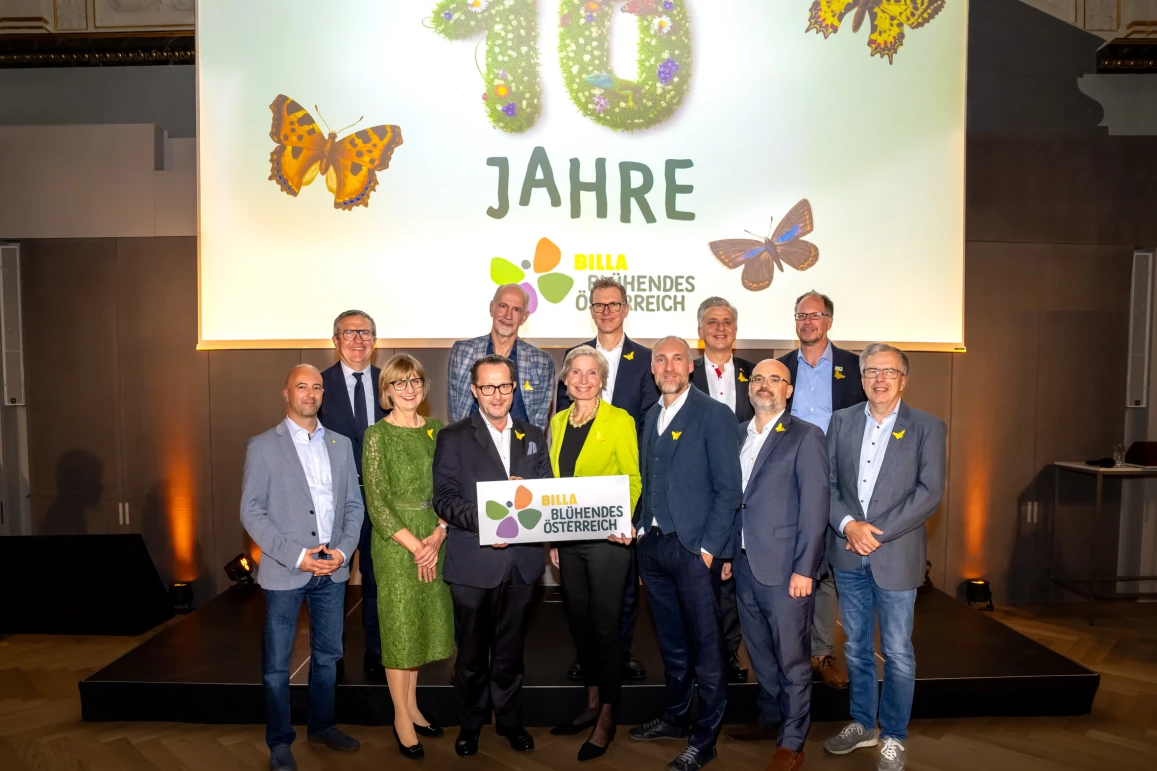
The REWE GROUP in Austria is actively committed to protecting natural habitats—from landscaping new buildings to educational projects in collaboration with Naturparke Österreich. BILLA and BirdLife Austria have launched a joint initiative for biodiversity, nature conservation, and climate protection called “Blühendes Österreich – BILLA Charitable Private Foundation 2025.” Since 2015, Blühendes Österreich has funded approximately 300 partners and initiatives. This has made a measurable contribution to the improvement and restoration of over 1,500 hectares of biotopes of high conservation value.

9. Community Involvement
The REWE GROUP in Austria takes on social responsibility together with its partners and customers. Initiatives such as “Aufrunden, bitte!” or the PENNY Family Assistance Fund support families in need in Austria; the “Gruftsackerl” campaign helps homeless people in Vienna; and the “NextGen Buddies” initiative supports children and youth from socially disadvantaged groups. A cause close to our hearts is the promotion of young talent in sports clubs, which is carried out through partnerships with sports clubs throughout Austria. In cooperation with the City of Vienna, BIPA has introduced the “Rote Box” to combat period poverty by providing free menstrual products.