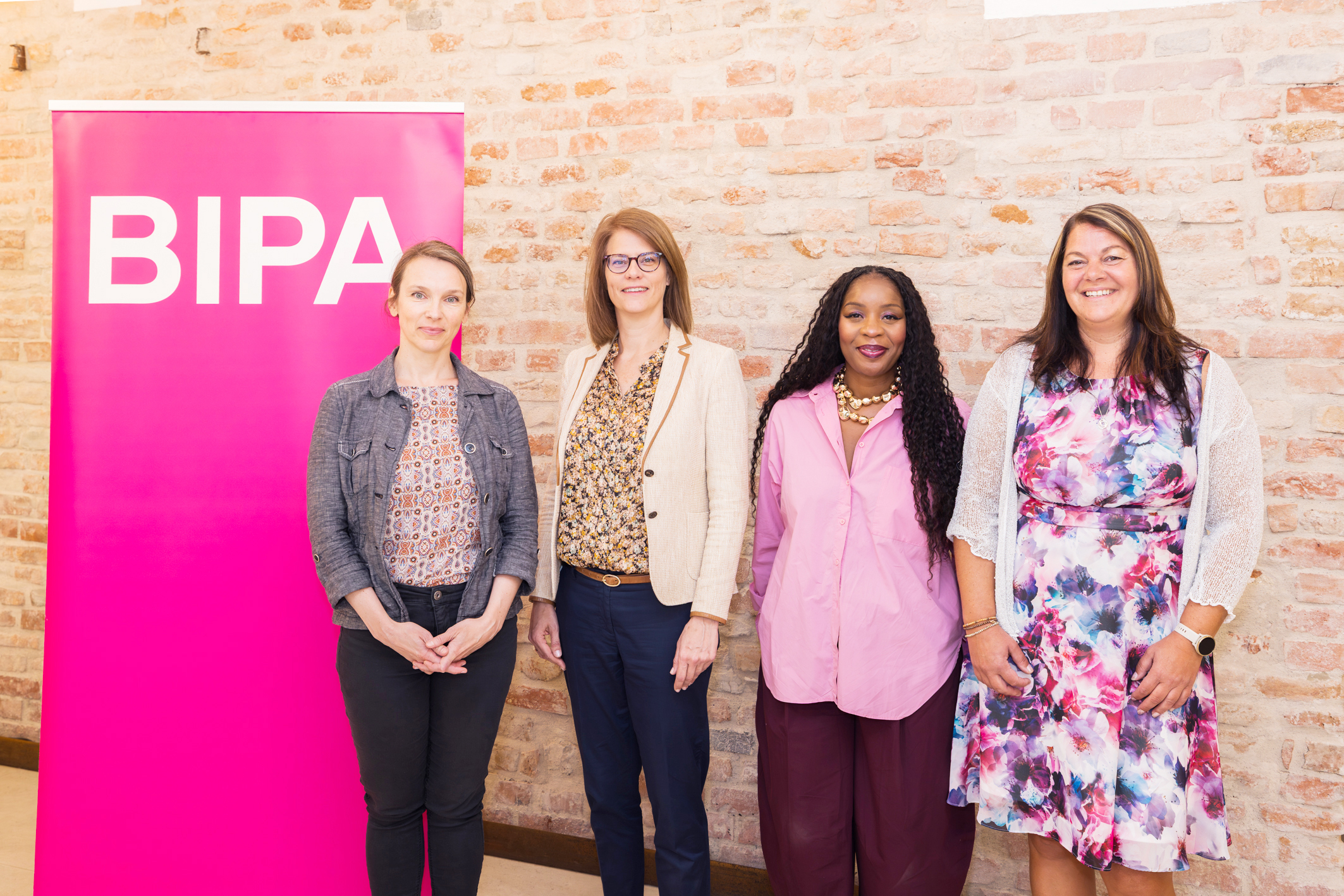
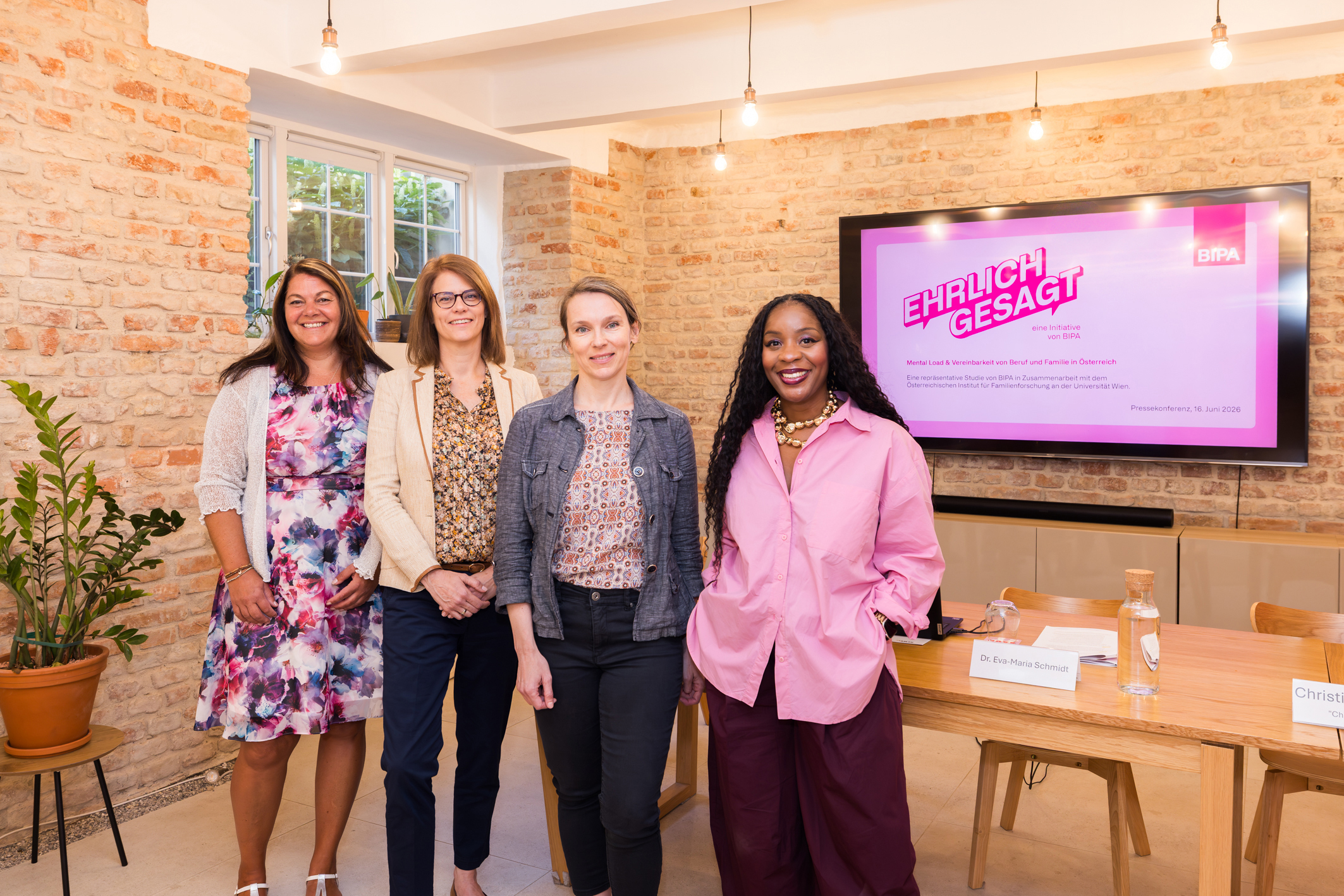
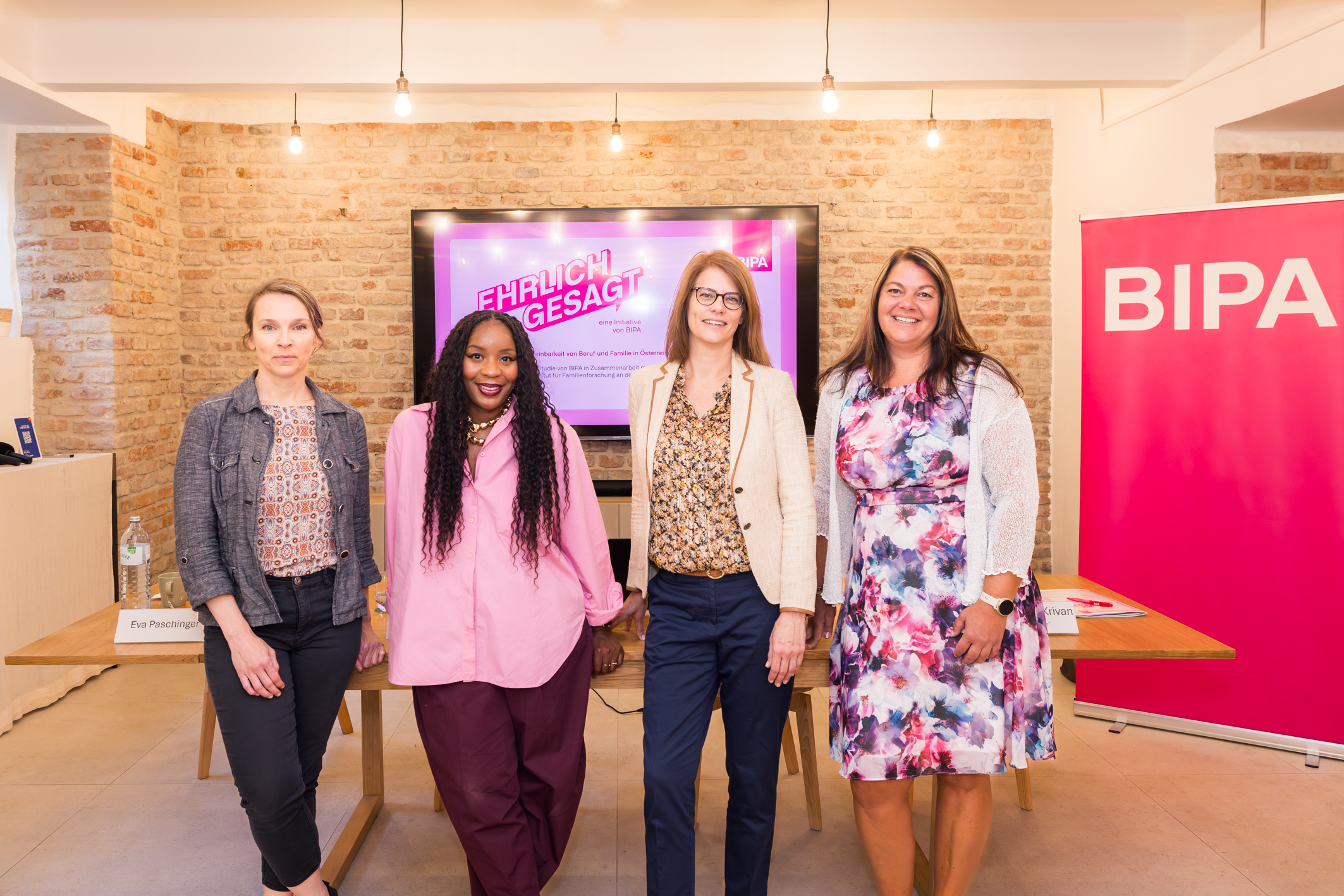
Anyone who, at the end of a long day, quickly checks whether their child has PE tomorrow, whether the electricity bill has been paid, and whether the grandparents are coming to the child’s birthday party at the weekend is carrying a mental load. This constant cognitive responsibility for others, for the household or for the family is widespread in Austria, and it is unevenly distributed. This is shown by a recent representative study* by the chemist’s chain BIPA, which was carried out as part of the ‘Ehrlich gesagt’ initiative with scientific support from the Austrian Institute for Family Research (ÖIF) at the University of Vienna.
The results are clear: women plan more, organise more and keep a closer eye on things – particularly when it comes to the household and children – though this is often because their own expectations demand it, or because gender roles are so deeply ingrained that tasks are automatically taken on.
For BIPA’s Managing Director, Margit Reisinger, the study therefore provides an important basis for sparking a broader public debate on mental load and the work-life balance: “There is no single ‘right’ model for families or couples to organise their lives around. What is crucial, however, is that everyone involved feels truly comfortable with the arrangement. Above all, this requires awareness of what often remains invisible: the mental load, the planning, the organisation – and the fact that it is frequently distributed unevenly. Anyone who wants to make a change should be able to do so – and that requires support services and the right framework conditions.”
Role models are deeply ingrained – in both women and men
The study shows that traditional gender roles are not only practised but also internalised – by both sexes. More than two-thirds of Austrians believe that women are better at organising birthdays and special occasions (women: 73 per cent, men: 70 per cent) or coordinating everyday family life (women: 69 per cent, men: 64 per cent). Just under 70 per cent of men and 59 per cent of women believe that men are better suited to repairs and technical tasks.
Dr Eva-Maria Schmidt, of the Austrian Institute for Family Research (ÖIF) at the University of Vienna, has been researching this topic for many years: “Both the study and the current state of research clearly show that the unequal distribution of care work is not an individual problem, but a structural one – one that is deeply rooted in our socialisation. Women and men grow up with different expectations and assign gender-specific responsibilities to themselves and others long before they have ever consciously thought about it.”
These internalised traditional gender roles are also reflected in the division of tasks in everyday life: in Austrian households, women bear the brunt of care work. When it comes to healthcare for children and relatives, for example, more than one in two women (53 per cent) organise doctor’s appointments alone or predominantly on their own, whereas for men the figure is just one in five (19 per cent). The situation is similar when it comes to household chores: women are more likely to recognise what needs doing – even when others are helping (women: 61 per cent, men: 23 per cent) – and are significantly more likely to take primary responsibility for cleanliness and tidiness (women: 42 per cent, men: 16 per cent) and for organising special occasions (women: 62 per cent, men: 15 per cent).
The inequality is particularly pronounced when it comes to children – whether in helping with homework (women: 59 per cent, men: 27 per cent), emotional needs (women: 53 per cent, men: 11 per cent) or school appointments (women: 40 per cent, men: 7 per cent): according to the study, women are significantly more likely than men to take on these tasks. Only when it comes to repairs and DIY tasks does the balance shift – with men bearing the lion’s share of the responsibility at 63 per cent (women: 14 per cent). What links this imbalance is that almost three-quarters of those surveyed (74 per cent) state that they often take on certain tasks unconsciously and automatically, out of habit, without ever actually having been asked.
Finance: Equal pressure, unequal responsibility
Around 7 in 10 Austrians feel a noticeable financial strain due to inflation and rising living costs. Almost one in two people (45 per cent) regularly worry about their family’s financial future – even at night or at the weekend. Among working respondents in relationships, more than half (58 per cent) say they cannot cut back on work because their family relies on their income. The results show that women bear a significantly greater share of the mental load, but just as much financial pressure as men. They are therefore shouldering a double burden.
However, the survey reveals clear differences when it comes to taking on financial responsibilities: it is more often the man who keeps track of the household finances – 51 per cent of men say they handle this alone or predominantly, compared with 38 per cent of women. The same applies to financial security and provision for the future (men: 48 per cent, women: 31 per cent). A further difference is also evident in terms of self-perception: almost 6 in 10 men (59 per cent) see themselves as primarily responsible for the household income, whilst for women the figure is just over one in three (36 per cent). The narrative of the breadwinner role therefore remains very much present in the self-perception of many men – and is also reflected in the actual division of responsibilities.
Unequal distribution leads to conflict in a relationship
Whilst 87 per cent of men consider the division of planning and organisational tasks to be fair, only two-thirds (66 per cent) of women share this view. This gap in perception suggests that, in many cases, couples experience different realities of everyday life. This is reflected in the fact that 45 per cent of respondents in a relationship state that much of what they organise for their shared daily life goes largely unnoticed by their partner – the figure is slightly higher for women (53 per cent). Consequently, almost half of women (47 per cent) and more than a third of men (34 per cent) feel they receive too little recognition for their invisible work. This has consequences: one in three couples report conflicts arising from unequal everyday responsibilities. Among 20- to 29-year-olds, the figure is even higher than one in two couples – a strong indication that younger generations are increasingly refusing to accept this inequality passively and are questioning traditional gender roles.
Dr Eva-Maria Schmidt: “What this study demonstrates so impressively is the so-called perception gap between partners. Mental load begins long before the actual task is carried out: anticipating needs and necessities, identifying ways to meet them, making decisions, monitoring outcomes – this is cognitive and, above all, emotional work that runs constantly in the background without being conscious, visible or recognised. Many men are sincere when they see themselves as equal partners – but they are not always aware of the invisible care work. What’s more, men also experience mental load, such as constantly thinking about the family’s financial security. That is why we need visibility and awareness of this work – only when it is recognised can it be distributed more fairly.”
Mental load makes you ill
One in five Austrians feels severely overwhelmed by everyday tasks – particularly women (25 per cent compared with 14 per cent of men) and millennials (30 per cent). This stress also has physical consequences: a quarter of those surveyed experience stress-related physical symptoms daily or several times a week – among women, the figure is almost a third (29 per cent). More than one in five (21 per cent) already feel stressed just thinking about the next day, and just under one in three (30 per cent) feel exhausted whilst also feeling they haven’t achieved enough. Around 40 per cent withdraw when feeling overwhelmed, and just as many lower their expectations – yet only 9 per cent seek professional support.
BIPA health expert Eva Paschinger: “We can see that mental load is real and has consequences in the sharply rising demand for products designed to manage stress, improve sleep or aid recovery in general. And whilst these can support well-being, they do not resolve the issue of an unfair division of tasks. When almost a third of women experience stress-related physical symptoms several times a week, we must take this seriously. With ‘Ehrlich gesagt’, we want to raise the profile of this issue: in our stores, amongst our staff, and as a company that also takes social responsibility.”
Mental load also holds people back at work – BIPA is implementing internal measures
The consequences of mental load also extend far into working life: nearly one fifth of respondents (18%) were on sick leave due to exhaustion in the past year (women: 16%), while another 19% stated that they needed a break but did not take one. Additionally, 17% of women scale back their professional ambitions in order to manage family and household responsibilities. For a company like BIPA, where 98% of employees are women—and nearly two thirds of them work part-time—these are not abstract figures, but the everyday reality of its own workforce.
BIPA addresses this reality with concrete measures: part-time leadership has already been established as a model, holiday camps and additional childcare on bridging days ease the burden on parents in everyday life, and structured maternity/parental leave management ensures a successful return to work. Flexible working time models are a central component of the HR concept, focusing on needs-based solutions for employees at all stages of life.
With the LeadHERship project, REWE has been specifically implementing targeted measures since 2025 to strengthen women in leadership—from tailored development and mentoring programs to a strong network and the sustainable anchoring of an equal-opportunity and inclusive leadership culture within the company.
“We are familiar with the realities faced by our female employees, which is why we have been investing in flexible working models for years, enabling shared leadership and offering psychological support during challenging phases of life. As an employer, we see it as our responsibility to create conditions that allow compatibility between work and family life. At the same time, we need to openly discuss mental load and its consequences—and that is exactly what we aim to achieve with ‘Ehrlich gesagt’ (‘Honestly speaking’). The study was just the beginning, because only what can be measured can also be changed,” says Margit Reisinger.
Further insights into women’s health and mental load are provided by the “Ehrlich gesagt” podcast by BIPA featuring Christl Clear—successful influencer, podcaster, author, and entrepreneur—which launched in May 2026 and is available on Spotify and YouTube.
*About the study: A total of 1,579 people in Austria aged between 16 and 75 were surveyed in May 2026. The survey was conducted as a CAWI (Computer-Assisted Web Interview) study and is representative of the Austrian population. It was carried out by the online market research institute Marketagent.
About the “Ehrlich gesagt” initiative
“Ehrlich gesagt” (“Honestly speaking”) is an initiative by the Austrian drugstore chain BIPA aimed at bringing women-specific (health) topics into broader public discussion. The initiative deliberately addresses not only women but also men, as women’s issues concern everyone. The campaign does not aim to lecture or provoke, but rather to encourage discussion, find solutions together, and create supportive frameworks.
To this end, BIPA’s channels increasingly provide information on topics such as women’s health, mental load, self-confidence and empowerment, mental health, and the compatibility of work and family life.
In addition to a website where numerous experts share their insights, and the “Ehrlich gesagt” podcast with Christl Clear, webinars and workshops are also offered for employees and customers. Expanded community initiatives are planned for the future.
Further information: www.bipa.at/cp/ehrlichgesagt