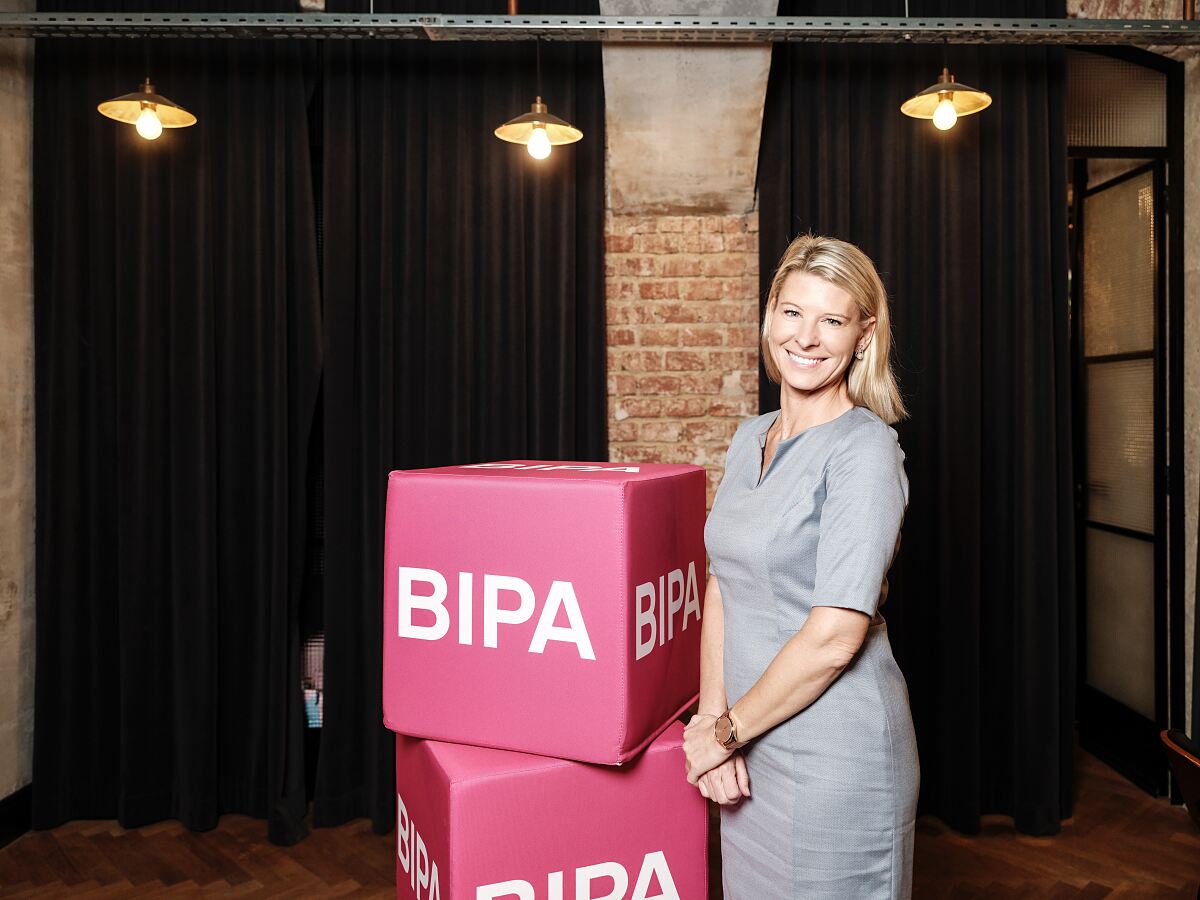
The general preventive check-up at the family doctor – the so-called health check – is attended annually by less than half (45 percent) of the population. People in Carinthia (55 percent) are the most consistent, while only 35 percent of Lower Austrians go for a routine check-up each year. Austrians visit their ophthalmologists just as rarely (42 percent), and only a quarter of the population (26 percent) sees a dermatologist annually. The only exception is dental check-ups, which are a fixed annual appointment for three-quarters (74 percent) of all respondents. Daniela Reumann, Managing Director at BIPA: “Those who take good care of their bodies are healthier. That also means not waiting until symptoms appear, but acting preventively. Routine check-ups, regular exercise, and strengthening the immune system are key building blocks for a healthy life. With our initiative ‘Ehrlich gesagt’ (‘Honestly Speaking’), we want to raise awareness for personal health at the start of the year and motivate our customers to turn good intentions into lived health routines.” In around 600 BIPA stores across Austria and in the online shop, customers will find a wide range of health products – from sports nutrition and blood pressure monitors to dietary supplements – all of which can contribute to a healthy lifestyle.
Preventive Gap in Women’s Health
An annual visit to a gynecologist is recommended starting from the onset of sexual activity, but no later than age 18. However, slightly more than 10 percent of women aged 18 to 29 say they have never had a gynecological check-up. Two-thirds of women in this age group attend the examination once a year. Across all age groups, gynecological check-ups are part of the annual health routine for 69 percent of respondents. Fourteen percent of women ignore the recommended frequency and visit their gynecologist only every two to four years.
In a comparison of federal states, women in Vorarlberg show the highest consistency in gynecological check-ups with a participation rate of 79 percent, followed by Tyrol with 74 percent. During the annual gynecological examination, a palpation check is also performed, and for women aged 45 and older, a mammogram is additionally recommended every two years. Breast cancer is the most common cancer among women, with around 6,000 new cases in 2024**. About 45 percent of surveyed women aged 45 and older undergo these free preventive examinations once a year, while roughly 80 percent do so every two to four years. The nationwide average across all ages is 43 percent – a figure suggesting that awareness increases only slightly with age. In Burgenland, participation is significantly above average at 59 percent, while Carinthia is low at 33 percent.
“Despite campaigns like Pink Ribbon, there is still considerable room for improvement in breast cancer prevention and gynecological visits. This is linked to stigma – women’s health topics such as menstruation or menopause are still associated with shame for many women. More education is needed about the positive aspects of preventive care,” explains Eva Paschinger, Managing Director for Medical Devices & Category at BIPA and spokesperson for the ‘Ehrlich gesagt’ initiative.
Cancer Screening Saves Lives – Awareness Must Be Strengthened
In Austria, around 45,000 people are diagnosed with cancer each year**. Preventive examinations that enable early detection of cancer are utilized by only about half of the population across all health areas. For example, the annually recommended skin cancer screening (mole check) is performed at the recommended interval by only a quarter of respondents. Almost half go for skin cancer screening every two to four years. Among younger respondents under 39, more than one-third stated they have never had a skin cancer screening.
A colonoscopy is also recommended as an important preventive measure starting at age 45. Colorectal cancer is the third most common cancer among both men and women**. In the age group over 50, 30 percent say they undergo this examination every two to four years.
No Symptoms and Lack of Time: Barriers to Preventive Care
The most frequently cited reason for not attending preventive examinations more regularly is the absence of acute need – over one-third (37 percent) say they currently feel healthy and therefore see no reason to visit a doctor. Time is also a factor for one-fifth of respondents (22 percent) – for those aged 18 to 39 (36 percent), it is the second most common reason. Financial barriers (13 percent), lack of nearby medical care (13 percent), and shame or fear of the examination (13 percent) are also mentioned. For Burgenland residents in particular (20 percent), the availability of doctors nearby is a barrier to regular preventive care.
About “Ehrlich gesagt”
“Ehrlich gesagt” is an initiative by the Austrian drugstore chain BIPA that brings women-specific topics and health concerns into public discourse. The campaign deliberately addresses not only women but also men, because women’s issues concern everyone. The goal is not to lecture but to foster dialogue. On BIPA’s channels, information is provided on topics such as women’s health, mental load, self-confidence, empowerment, and work-life balance. Webinars, workshops, influencer collaborations, and community offerings continuously accompany the initiative. More information at bipa.at/ehrlichgesagt
*The study surveyed 1,548 people in Austria aged 14 to 75 in February and March 2025. The survey is representative of the Austrian population and was conducted by the online market research institute Marketagent.
**Statistik Austria, 2024