Skip to content
Press Release 24th March 2026

Survey: For 90% of Austrians, local origin is a key factor when buying eggs

According to a recent survey by Marketagent commissioned by BILLA, 9 out of 10 Austrians prioritise buying eggs from Austria when shopping for food. Only then do they consider the origin of foods such as meat (89%) and dairy products (89%). A comparison across the federal states shows that people in Carinthia (96%) and Salzburg (96%) pay particular attention to the ‘Made in Austria’ label when buying eggs. Meanwhile, a comparison across age groups reveals that buying eggs from Austria is of the greatest importance to the baby boomer generation, at 96%.

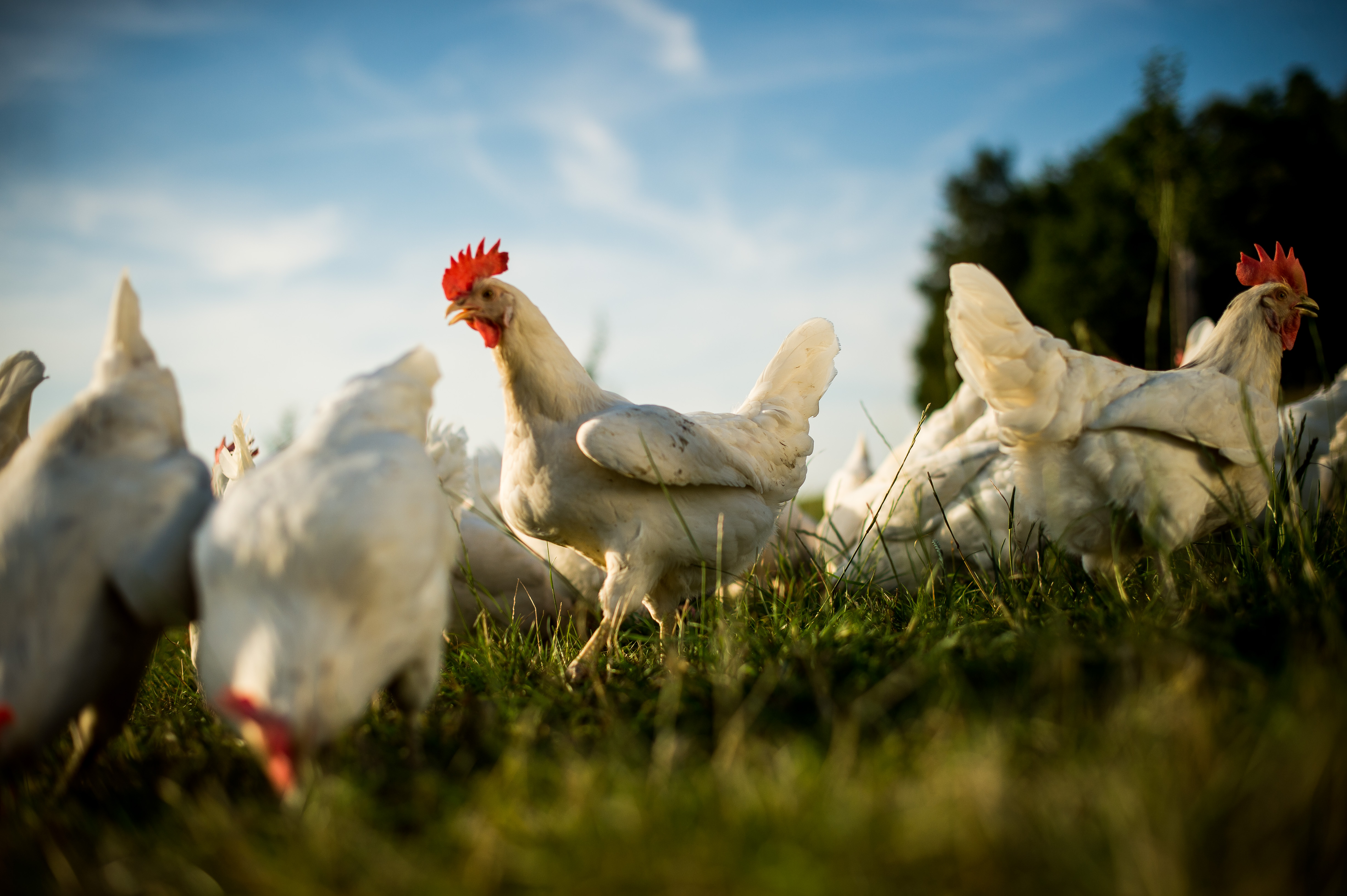
A flock of white chickens with red combs walking on grass in a sunlit field, with a clear blue sky and trees in the background.

Across all food categories, Austrians place the greatest importance on the regional origin of eggs. / Copyright: © Ja! Natürlich/Michael Reidinger, Reproduction for PR purposes free of charge

Download

At a glance

  • Across all food categories, Austrians place the greatest importance on the regional origin of eggs

  • Two-thirds of those surveyed buy more eggs than usual during the Easter period, with 44% of them buying more than 10 extra eggs

  • 72% are willing to pay more for eggs from regional and animal-welfare-friendly farms

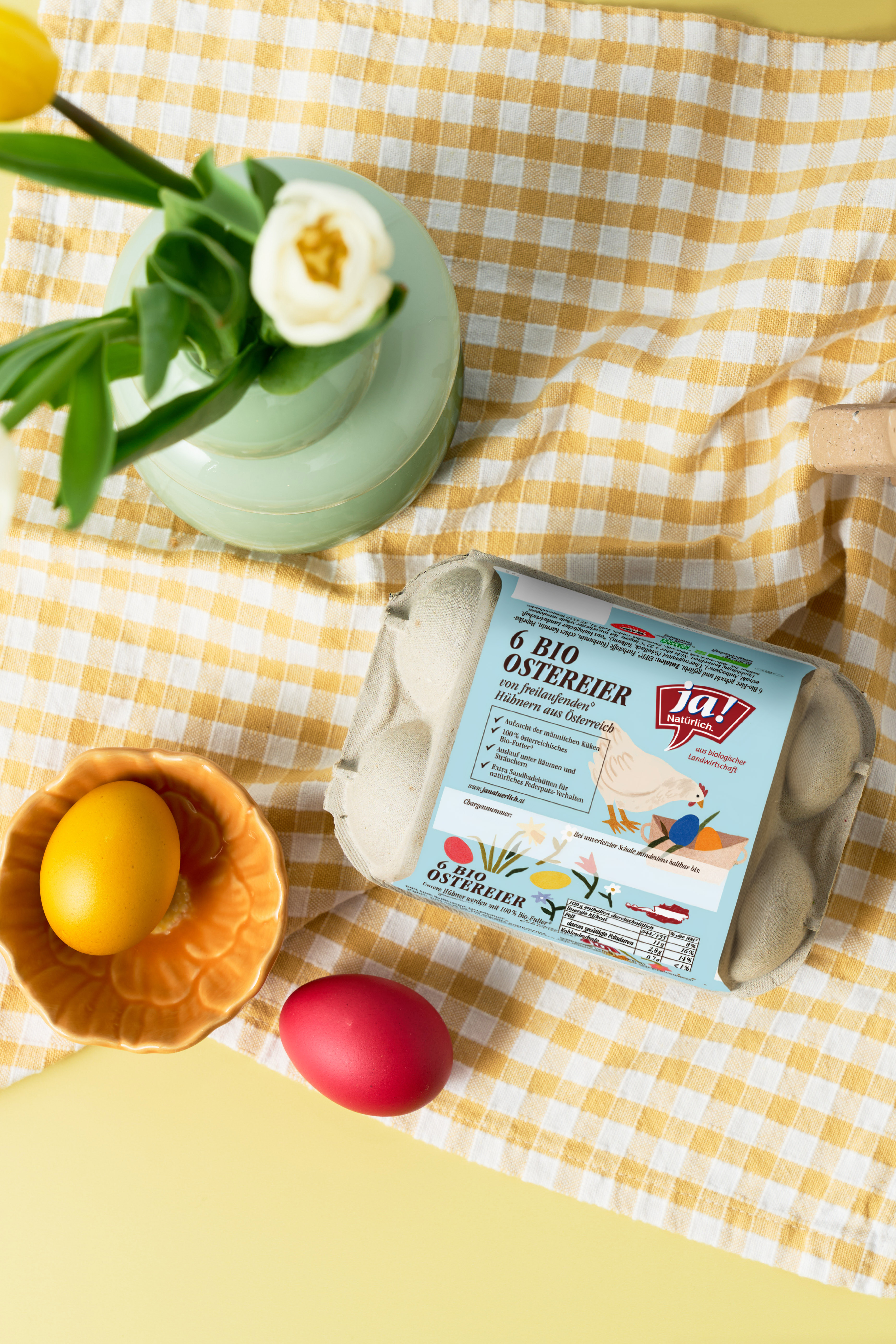
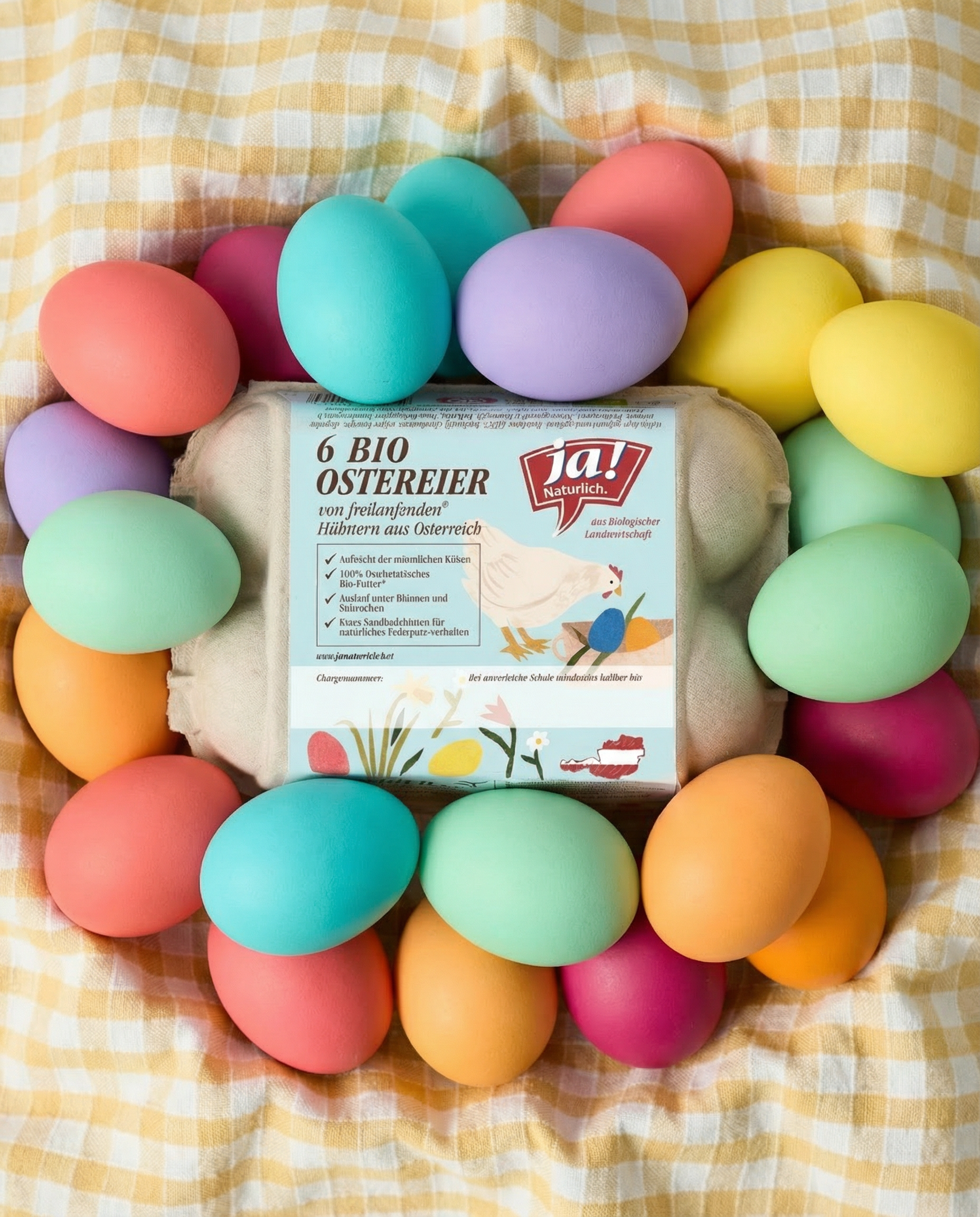
  • BILLA purchases around 10.5 million Easter eggs from local producers – dyed and packaged in Austria

  • Animal welfare pioneers: Toni’s free-range eggs and Ja! Natürlich organic eggs meet higher animal welfare standards
Austrians buy significantly more eggs at Easter

66% of Austrians say they buy more eggs than usual during the holidays, with 44% buying more than 10 extra eggs. For the majority, origin and regional sourcing are key factors. The farming method (85%) and price (77%) are also among the main criteria when buying Easter eggs. More than 7 in 10 Austrians are willing to spend more on eggs from regional and animal-friendly farms at Easter. Dyed eggs are a traditional part of the Easter celebrations. At Easter alone, BILLA purchases around 10.5 million Easter eggs from local producers, which are also dyed and packaged in Austria.

Erich Szuchy, BILLA CEO: “Even during the Easter period, when demand for eggs in the shops traditionally rises significantly, we remain firmly committed to Austrian agriculture and offer only domestic fresh and Easter eggs in our range. In doing so, we are meeting the needs of our customers, as according to a recent survey*, 9 out of 10 people ensure that the eggs they buy come from Austrian farms. At the same time, with our own-brand eggs – Tonis Free-Range Eggs and Ja! Natürlich – we guarantee animal welfare standards that exceed the legal minimum requirements.”

Although the bird flu outbreak in Europe at the start of the year also led to a tense situation in Austria, Austrians are not worried: 66% of those surveyed have no concerns that there will be shortages of eggs around Easter.

BILLA is committed to excellence in animal welfare

For decades, BILLA has been setting the standard for animal welfare: as early as 1996, the company became the first food retailer in Austria to stop selling cage eggs – long before this became standard practice in the retail sector. As a result, BILLA offers its customers only eggs from barn, free-range and organic farms that meet the highest Austrian standards. To this end, the food retailer relies on its long-standing partnerships with Austrian farms to ensure quality and fair conditions. As part of the BILLA Animal Welfare Initiative, fresh and Easter eggs from the Tonis Free-Range Eggs brand carry the ‘Fair zum Tier!’ seal, whilst the own-brand organic range Ja! These include, among other things, more free-range space and, without exception, GMO-free feed from Europe or organic feed, the majority of which is produced by the Austrian farms themselves.

* Survey details: The representative survey was conducted on behalf of BILLA by Marketagent using an online access panel. Between 25 February and 3 March 2026, 1,000 people in Austria aged between 14 and 75 were surveyed; the sample is representative of the Austrian population.