Skip to content
Press Release 26th May 2026

BILLA Simply Good sets new standards in convenience: fresh, natural ingredients, nutrient-rich, and free of unwanted additives

The desire for a healthy lifestyle is often difficult to incorporate into daily life: This tension, which many Austrians recognize from their own daily lives, is also confirmed by a recent study* conducted by INTEGRAL on behalf of BILLA. According to the study, more than half of Austrians (57%) purchase a convenience product at least once a month. Among 18- to 29-year-olds, 28%—nearly one in three—even reach for ready-made meals at least once a week.

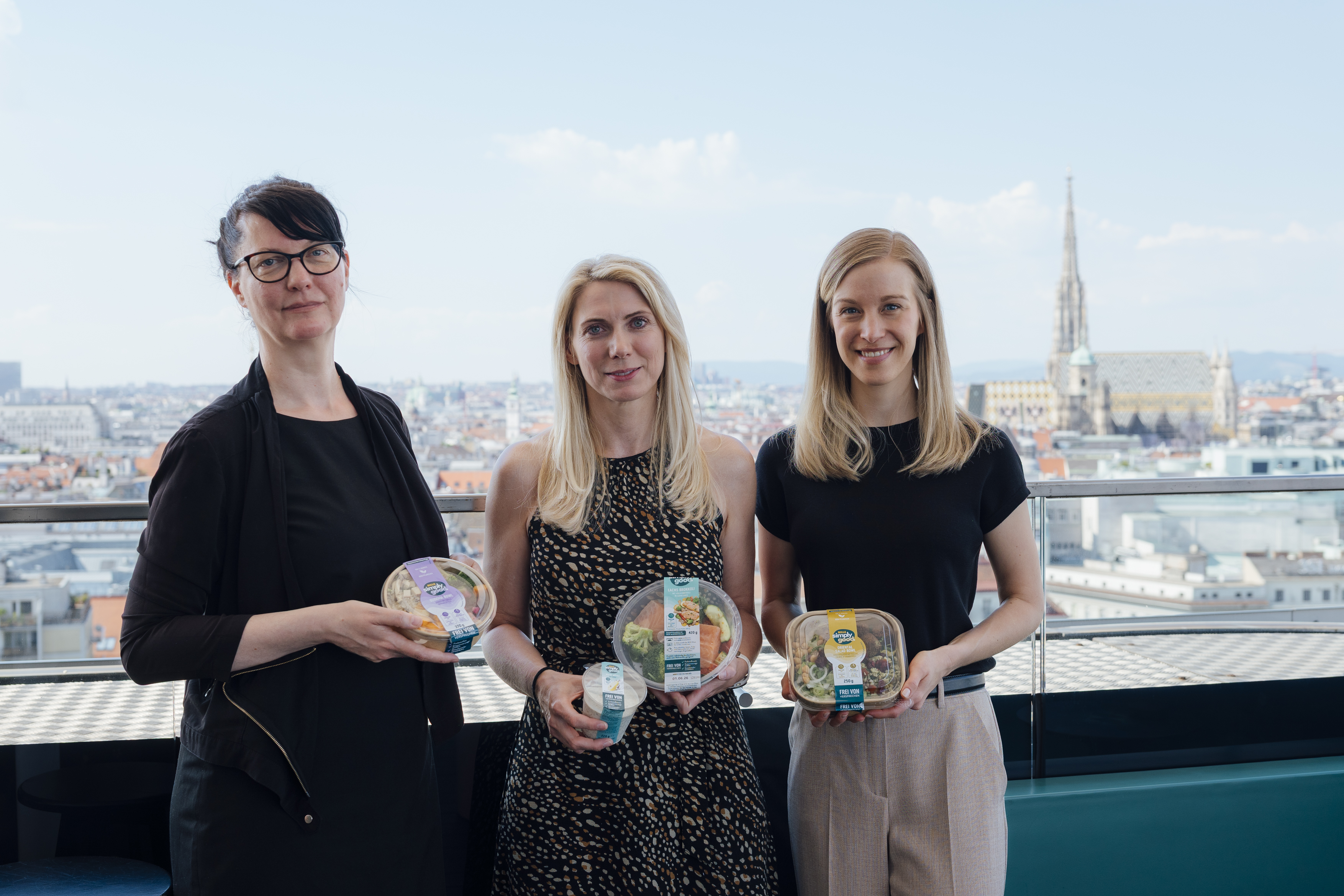
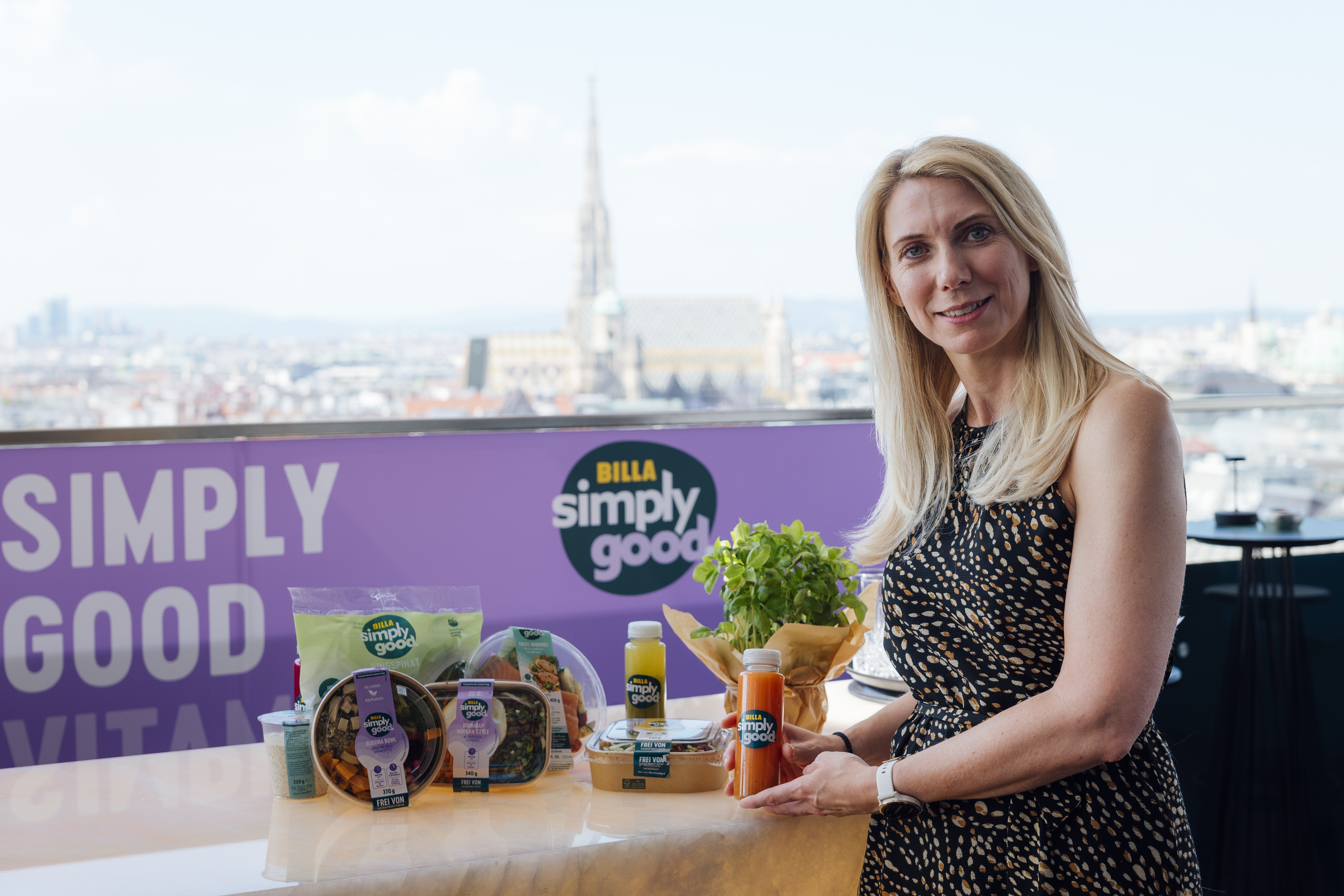
Three women standing on a rooftop holding pre-packaged food products, with a cityscape and a church spire in the background.

Alexandra Mossakowski (qualitative research expert, INTEGRAL market research institute), Klaudia Atzmüller (BILLA Private Label Division Manager), and Martina Steiner (nutritionist) present BILLA Simply Good products with the “free from” promise. / Copyright: BILLA AG / Dominic Bertold, Reproduction for PR purposes free of charge

Download

At a glance

  • BILLA Simply Good takes convenience food to a whole new level: with new recipes, ultra-fresh and natural ingredients, and a balanced mix of nutrients

  • Unconditional “free from” promise: 100% free from flavor enhancers, preservatives, artificial flavors, palm oil, hydrogenated fats, yeast extract, and seasoning

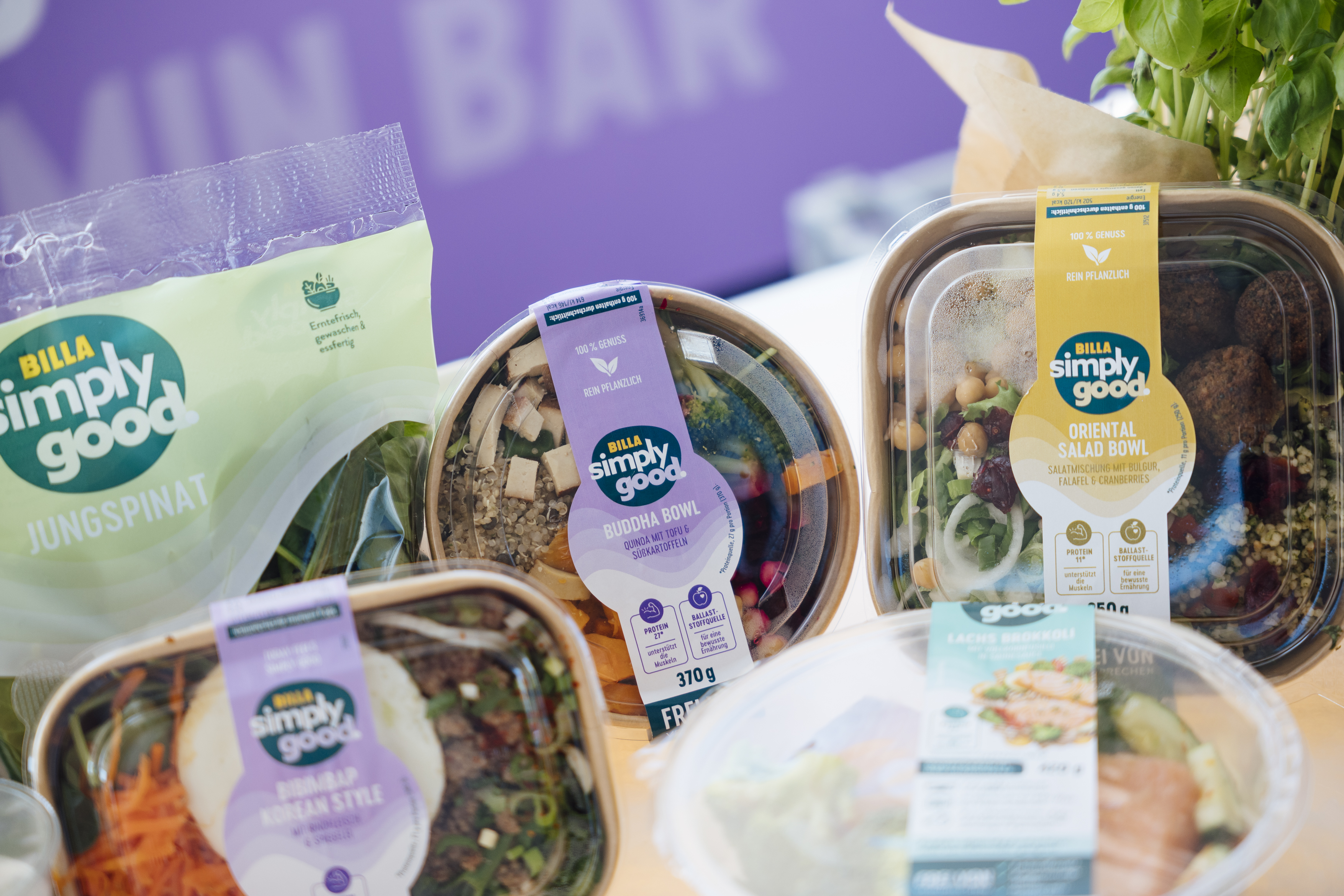
  • The product range includes around 50 items—including cold bowls, steamed dishes, hot meals, salad bowls, muesli, cut fruits and vegetables, and freshly squeezed juices

  • According to a recent study*, convenience products are part of everyday life for the majority (57%) of Austrians

  • These quick meals are especially popular among younger people; in fact, one in three people under 30 eats them at least once a week

  • For regular convenience store shoppers, saving time is the most important reason for making a purchase (58%)
Regular buyers cite significant time savings (58%), ease of use (54%), and practicality in everyday life (43%) as the top reasons for purchasing convenience foods. At the same time, frequent buyers of refrigerated ready-made meals indicate in the survey that poor ingredients (39%), too many chemicals (38%), unhealthy food (37%), and the argument that the meals are not nutritious or balanced (30%) are the main reasons against purchasing them.

BILLA is responding to this tension or internal conflict with a comprehensive relaunch of its private label, BILLA Simply Good. The meals, made from ultra-fresh, natural ingredients, are rich in nutrients, offer great taste, and also come with a “free-from” promise. All BILLA Simply Good products are 100% free of flavor enhancers, preservatives, artificial flavors, palm oil, hydrogenated fats, yeast extract, and seasoning mixes. BILLA is thus taking convenience to a new level and demonstrating that quick enjoyment and mindful eating are easily compatible in everyday life.

Klaudia Atzmüller, Head of BILLA’s Private Label Division: “Convenience has become an integral part of our customers’ daily lives, yet at the same time, there is a growing demand for mindful eating. We have responded to this tension. Working with nutritionists, we have completely reimagined the recipes, taking convenience to a whole new level. The result is ultra-fresh, nutrient-rich products that consistently avoid unnecessary additives. With BILLA Simply Good, quick meals and mindful eating are no longer mutually exclusive.” 

Convenience is part of everyday life, but expectations are rising

The study results underscore that ready-made meals and snacks are firmly embedded in people’s lives. Convenience food is most often consumed on the go (27%), followed by dinner (26%) and as a quick snack between meals (25%). The generational difference is striking: While the younger demographic uses convenience foods for dinner more often than average (34%), older generations primarily incorporate these meals into their daily family routines (20%). Healthier, fresher, and less processed products are the key drivers for greater acceptance. The more frequently convenience products are used, the stronger the desire for improved and healthier options.

Alexandra Mossakowski, an expert in qualitative research at the INTEGRAL polling institute: “Austrians today view nutrition as an active contribution to their health and quality of life. Longevity is no longer a niche topic, but a megatrend that is sweeping across many social groups. Eating is becoming a health strategy. It is no longer about deprivation, but about consciously choosing a healthy diet that must be integrable into a modern lifestyle. Based on our Sinus-Milieu research, it is evident that trend-conscious target groups and those in the modern mainstream, in particular, regularly purchase convenience products. At the same time, they place great value on health, naturalness, and avoiding artificial additives.”

BILLA Simply Good Day with interactive stations

The interactive stations at the first BILLA Simply Good Day at Juwel in Vienna offered inspiration for a mindful lifestyle suitable for everyday life: from healthy sleep, exercise, and mindfulness to healthy eating. Nutritionist Martina Steiner, among others, provided insights into healthy eating.

Martina Steiner, nutritionist: “A balanced diet is based on vegetables, fruits, legumes, and whole grains, supplemented by high-quality protein sources such as fish, meat, dairy products, eggs, or plant-based alternatives. Many people want to eat perfectly healthy—with fresh, natural ingredients and no preservatives or artificial flavors—but struggle to put this into practice in their daily lives. BILLA Simply Good combines this aspiration with the desire for convenience food. The Simply Good Buddha Bowl, for example, combines quinoa, plant-based protein sources such as tofu, chickpeas, and lentils with a colorful selection of vegetables. It thus provides plant-based protein, fiber, and a diverse foundation for a balanced meal.”

* Source: INTEGRAL Market and Opinion Research: Representative online survey of the Austrian resident population, n=1,000 aged 18 to 75, conducted between April 24 and May 6, 2026